Amkor Technology started construction in October 2025 on a $7 billion semiconductor packaging and test campus in the Peoria Innovation Core — the first facility of its kind in the country. The city purchased 834 acres along the Loop 303 corridor to anchor an innovation district planned to draw industrial, commercial, and employment development for 20-plus years.
That’s the headline project, but the pipeline runs well beyond it. Fire Station 198 near Vistancia — the city’s first new station in two decades — began construction in February 2026. Vistancia Commerce Park, a 239,700-square-foot industrial park, gets underway in mid-2026. The P83 Entertainment District continues expanding around the Peoria Sports Complex, which hosts the Padres and Mariners for spring training and runs year-round events.
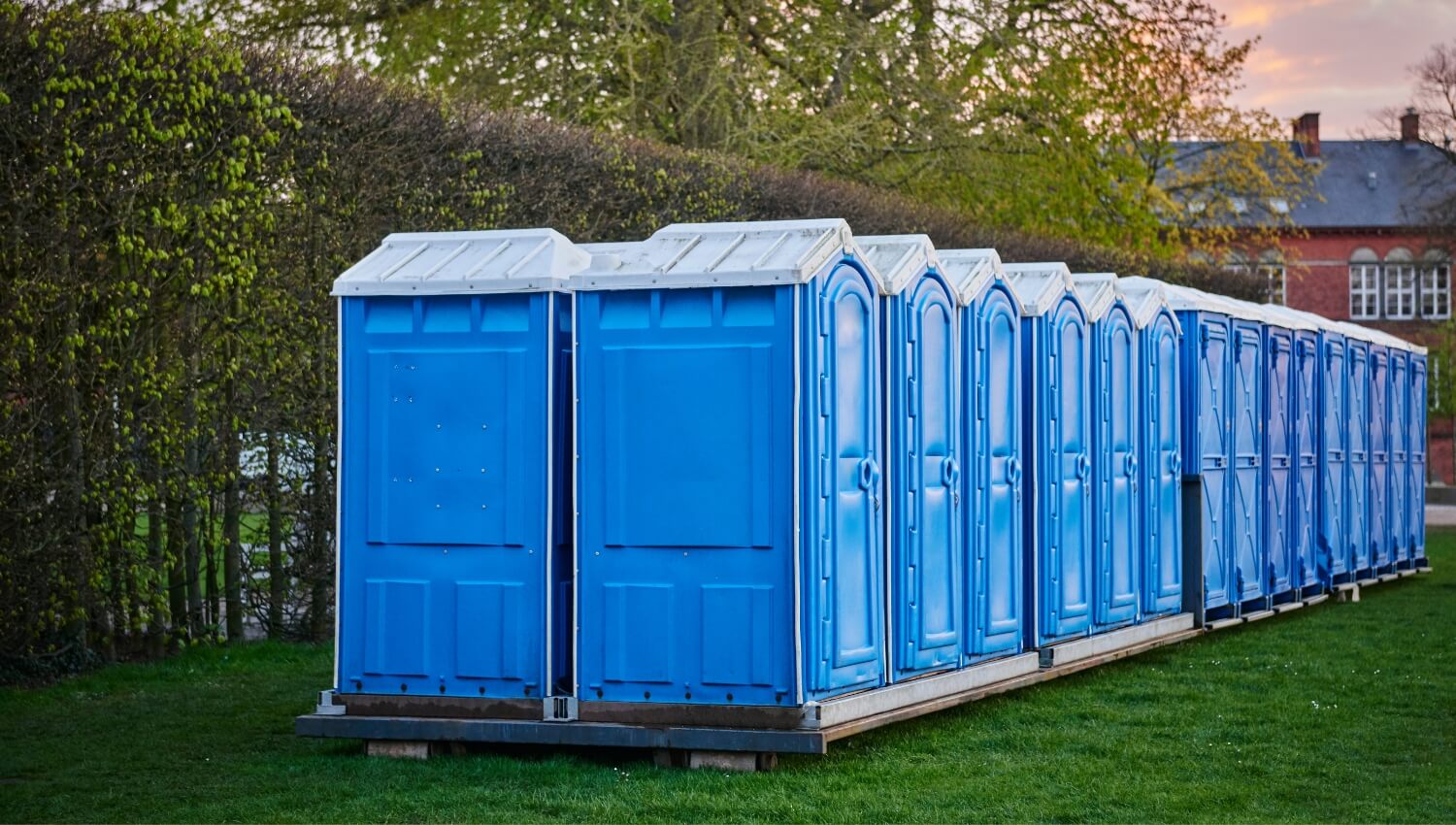
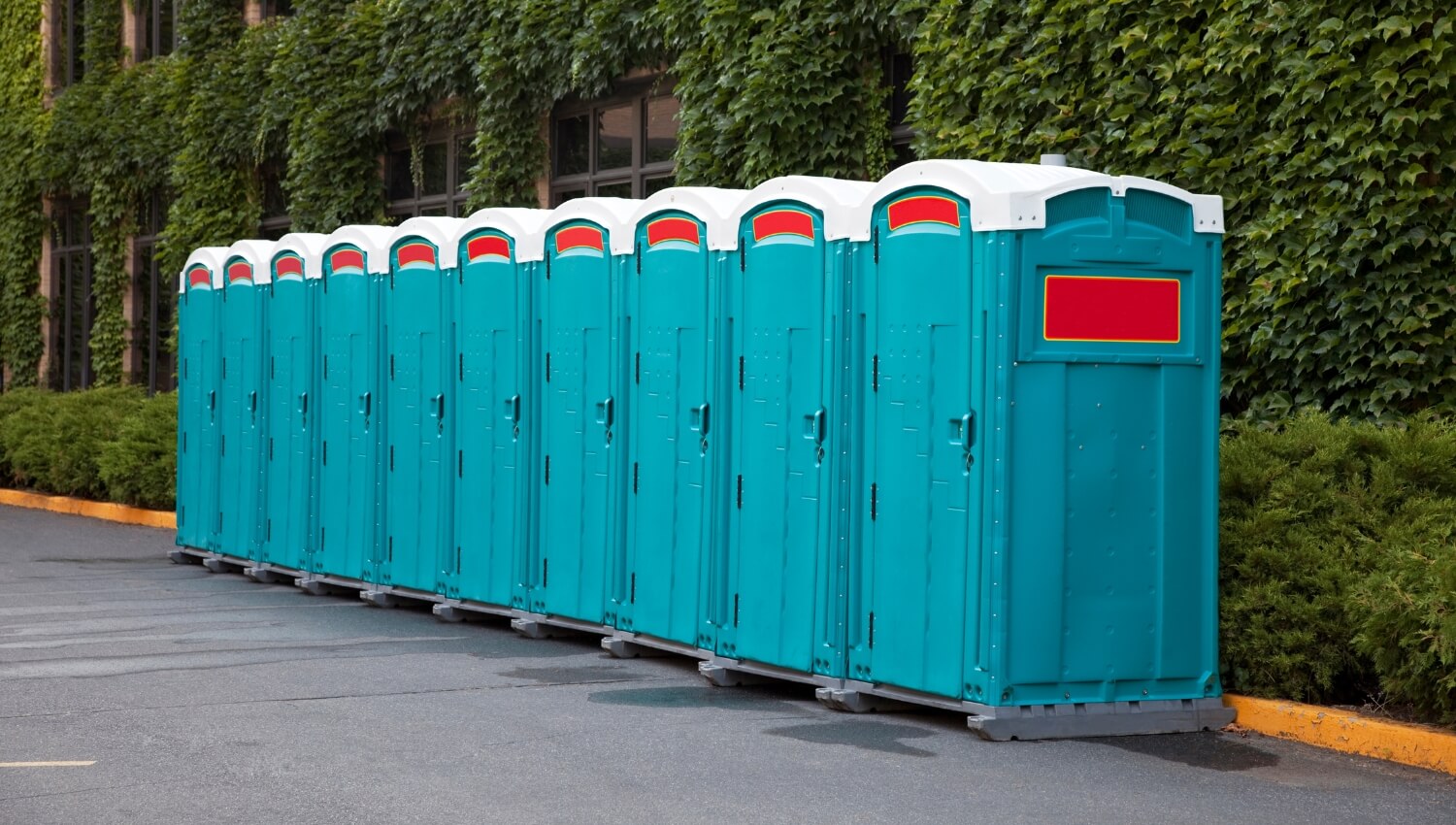
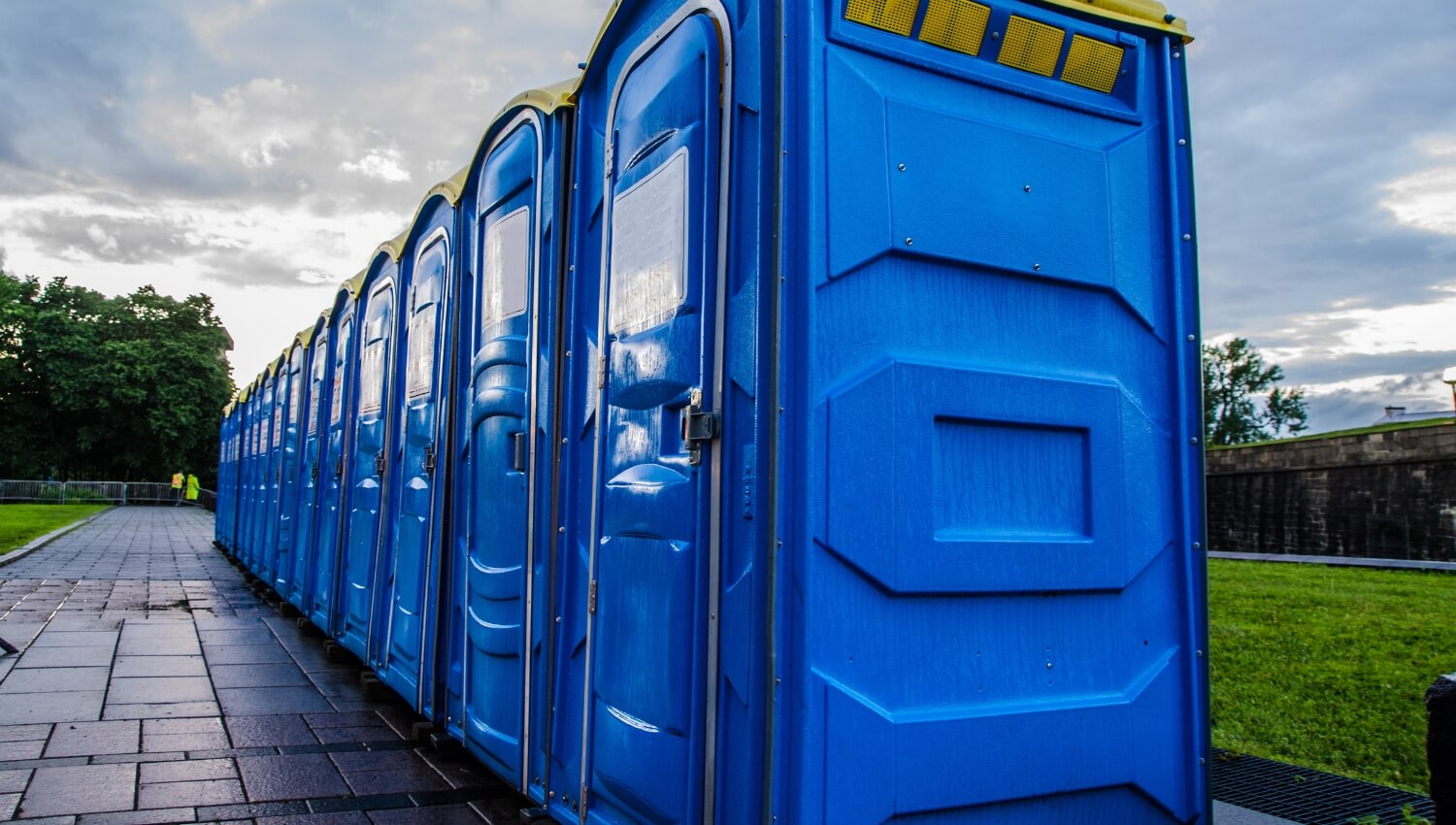
Universal Waste Systems provides porta potty rental throughout Peoria for construction contractors and event organizers. Whether the job is a semiconductor campus on 104 acres or a spring training overflow crowd in the P83 parking lot, we deliver and service on a schedule built around what’s actually happening on site.
Peoria’s Construction Boom Runs Deep
Amkor Technology and the Peoria Innovation Core
Amkor’s campus sits on 104 acres northwest of Loop 303 and Lake Pleasant Parkway, with the first manufacturing facility targeting completion in mid-2027. A project of this scope keeps grading, civil, structural, mechanical, and cleanroom fit-out crews active simultaneously across a large open site through an extended multi-phase timeline.
Large semiconductor facility construction operates under different sanitation requirements than a standard industrial build. Cleanroom preparation phases bring specialized crews with strict site access protocols. Construction sanitation needs to be positioned across active work zones without conflicting with those protocols — not consolidated at a single point at the site perimeter.
The broader Innovation Core is planned to span nearly 7,000 acres along the Loop 303 and Lake Pleasant Parkway corridor. As additional industrial and commercial parcels come to market and break ground behind Amkor, the porta potty demand concentrated in that stretch will require a provider with genuine local coverage across the full corridor.
Fire Station 198, Vistancia Commerce Park, and Civic Construction
Fire Station 198 near Vistancia Boulevard and White Peak Drive is a $17.6 million, 15,100-square-foot public safety facility with 12 dorm rooms, expected to open in 2027. Public safety construction operates on fixed delivery timelines — the facility needs to open on schedule, and sanitation problems on the job site compound into schedule risk.
Vistancia Commerce Park will break ground in mid-2026, delivering 239,700 square feet across four industrial buildings on the southeast corner of Westward Skies Drive and Desert Cactus Lane. Four-building spec industrial construction keeps multiple trade crews working on different buildings simultaneously, each at a different phase.
The $2.4 million Peoria City Hall front yard beautification project is wrapping up in early 2026, and ongoing municipal construction across the city keeps public works crews active on road, utility, and civic facility work throughout the year.
Residential Construction Across Peoria’s Growth Areas
Peoria’s residential growth is pushing north toward the Vistancia corridor and the Innovation Core. Production builders running active lots simultaneously across master-planned communities need porta potties coordinated per site, with servicing matched to the actual crew size and phase at each address.
Custom and semi-custom builds in established Peoria communities run four-to-eight-month timelines with mechanical, framing, and finish trades cycling through in sequence. A crew starting demo and rough framing on a Monday morning needs sanitation on site Monday — not scheduled for delivery later in the week once the project is already in motion.
Porta Potties for Peoria Events
Peoria Sports Complex — Spring Training and Year-Round Programming
Peoria Sports Complex hosts the San Diego Padres and Seattle Mariners in the first shared two-team spring training facility ever built in the Cactus League, running February through late March each year. The 145-acre complex draws thousands of fans per game, with the P83 Entertainment District surrounding it on all sides.
Spring training crowds fill the stadium and spill into the parking areas and P83 plaza well before first pitch. The complex’s outdoor group areas, children’s playground, and stadium lawn seating pull different crowds to different parts of the 145-acre footprint simultaneously.
Fixed stadium restrooms handle capacity inside. Portable units serving the exterior overflow — parking lot crowds, practice field spectators, and P83 foot traffic on high-attendance days — are what keep the experience functional when interior lines back up during peak periods between innings.
P83 Entertainment District Events
P83 runs a year-round calendar of festivals, concerts, cultural celebrations, and community programming across the district’s outdoor plazas and event spaces. The Peoria Night Market, seasonal festivals, and recurring outdoor events draw regional crowds to an entertainment district where fixed restroom capacity doesn’t scale to peak-event attendance.
Outdoor events in an active entertainment district need portable sanitation that keeps pedestrian flow through the plaza functional, doesn’t block restaurant and retail access, and satisfies city permitting conditions attached to the event footprint. That coordination happens during scheduling — not when the truck pulls up on event morning.
Centennial Plaza Park and Community Events
Centennial Plaza Park hosts community events including the Peoria Night Market Asian Food Festival and recurring outdoor programming throughout the year. Park events generate portable restroom demand when fixed park facilities don’t absorb the attendance concentrated in one area during peak programming hours.
Park placement needs to account for active non-event park users who are there at the same time, keep family-friendly access clear, and position units close to where the crowd actually concentrates rather than at the edge of the park property nearest the street.
West Valley Heat and Open Site Conditions
Peoria summers run past 110°F from June through September, and the active construction sites along the Loop 303 corridor sit on open desert ground with no shade infrastructure. The Innovation Core and Vistancia Commerce Park sites are among the most exposed job sites in the entire West Valley — no trees, no buildings nearby to block afternoon sun, nothing but flat ground and caliche.
Construction crews running full shifts through a Peoria summer on open industrial pads need twice-weekly porta potty servicing from June through August. A unit that holds on a weekly rotation in April deteriorates past acceptable conditions by midweek in July on a large-crew site in direct sun.
We discuss service frequency, crew size, and seasonal conditions during booking — not after the first call comes in from the site super.
Delivering Across All of Peoria
Peoria stretches from the established neighborhoods around P83 and the Sports Complex in the south up through Vistancia and the Innovation Core corridor in the north. Universal Waste Systems routes across the full city — semiconductor campus construction, civic and industrial projects near Vistancia, production builders across the residential growth areas, and events at Peoria Sports Complex, P83, Centennial Plaza Park, and surrounding venues.
We coordinate delivery around construction phase schedules and event setup windows, and we service on a schedule adjusted to actual crew size and conditions.
Contact Universal Waste Systems for portable restroom rental throughout Peoria. Whether you’re managing a crew on the Amkor campus build, coordinating overflow sanitation for a spring training sellout at Peoria Sports Complex, or running a community event at Centennial Plaza Park, we deliver on time and service on a schedule that holds up in West Valley summer conditions.
Frequently Asked Questions
Do you serve large-scale industrial and semiconductor construction sites in Peoria?
Yes. We serve multi-phase industrial campus builds, spec industrial construction, civic projects, and infrastructure work across Peoria’s development corridors. Service schedules account for the large crew sizes and extended timelines that come with projects like the Amkor campus, with servicing that adjusts as crews shift between phases rather than holding to a fixed interval set at groundbreaking.
Can you handle porta potty rental for spring training overflow at Peoria Sports Complex?
Yes. We coordinate unit placement for spring training overflow areas across the 145-acre complex, including practice field spectator zones and P83 parking areas where demand builds fastest on high-attendance days. Placement focuses on where the crowd actually concentrates during peak periods rather than where units are easiest to drop at the perimeter.
How does West Valley summer heat affect porta potty service in Peoria?
Open construction sites along the Loop 303 and Vistancia corridors sit on exposed desert ground with no shade, making summer conditions particularly hard on porta potties. Large crews on open industrial pads generally need twice-weekly servicing from June through August. We set service frequency based on your actual crew size and site exposure — not a default weekly schedule that doesn’t hold up in triple-digit heat.
Do you serve P83 Entertainment District events and outdoor festivals?
Yes. We coordinate placement for outdoor events in P83 and at Centennial Plaza Park, with attention to pedestrian flow, business access, and city permitting requirements. Scheduling that covers all of that during coordination is what prevents the day-of scramble that event organizers in busy entertainment districts run into when sanitation is treated as a last-minute detail.
What if my project timeline shifts after delivery?
Rental periods extend at reasonable rates without penalties for legitimate schedule changes. Large industrial and civic construction projects move for reasons outside anyone’s control — we work around actual project timelines rather than holding contractors to an end date that no longer reflects what’s happening on site.