Commercial trash service in Phoenix is something a business must arrange on its own, because the city’s collection only goes as far as the curb of single-family homes. A restaurant, a retail store, or an office building has to set up its own container and pickup schedule with a private hauler, sized and timed to how much waste it actually produces. Getting the size and the frequency right is what keeps the dumpster from overflowing and paying for empty space.
Universal Waste Systems provides commercial waste collection for businesses across Phoenix, with front-load containers, recycling, and pickup schedules matched to the operation. Request a quote online to set up service.
Why Phoenix Businesses Arrange Their Own Trash Service
The City of Phoenix collects trash and recycling for residential households, covering single-family homes. Businesses, multi-family complexes, and apartment buildings fall outside of it and contract their own waste service with a private hauler. All sorts of businesses from downtown restaurants to Camelback Corridor offices handle their own collection this way.
The operations of your business is what’s at play. A container that fills before its next pickup overflows into the parking lot, draws pests, and can put a food business on the wrong side of a health inspection. One that gets serviced more often than it needs runs up a bill for hauling air. The right setup sits between those two, matched to the waste the business actually generates.
Container Sizes: 2 to 8 Yards
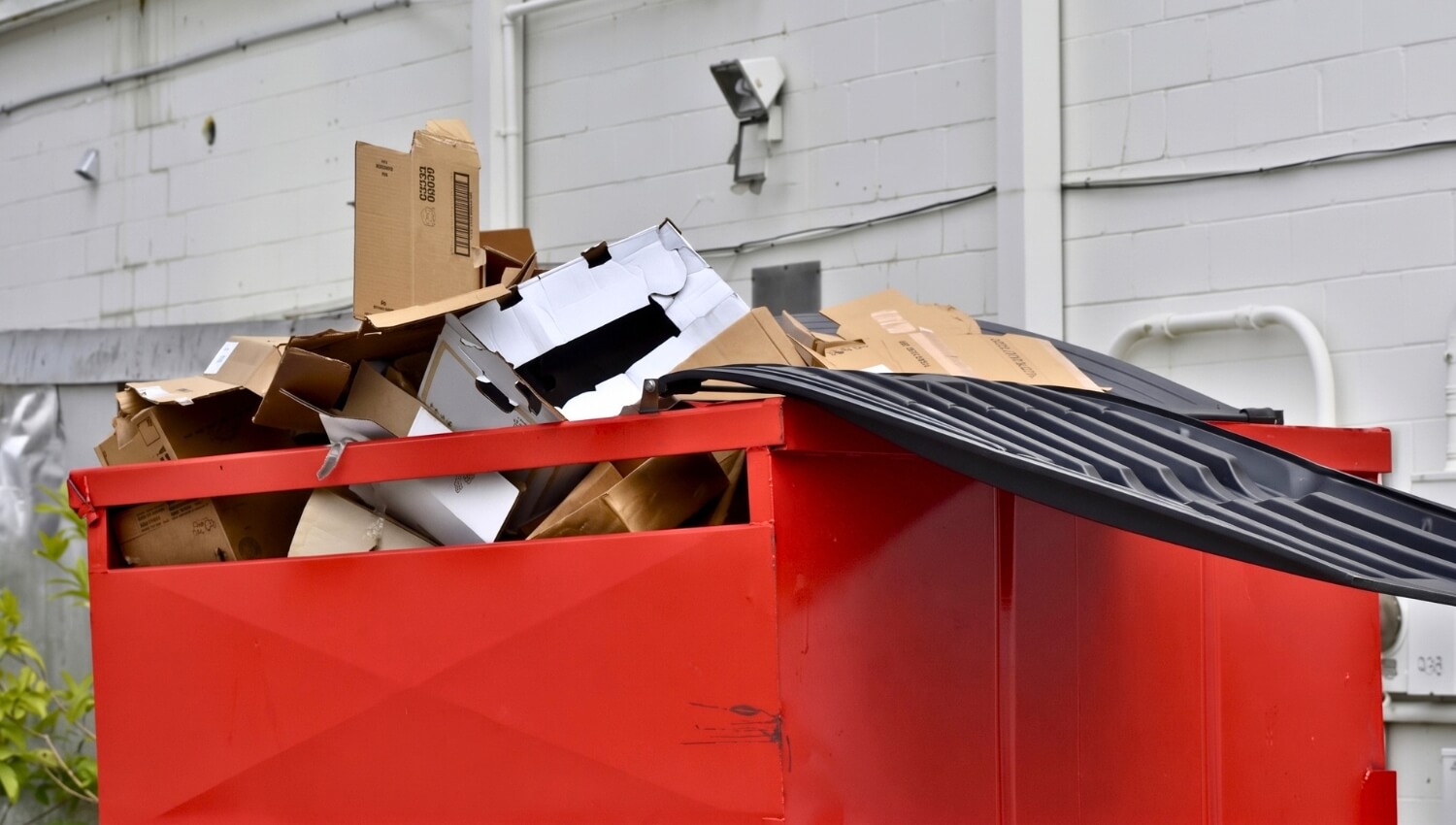
Ongoing commercial service works with front-load containers, the steel bins with lids that trucks empty on a schedule. UWS provides these in sizes from 2 to 8 cubic yards. A small cafe and a busy full-service restaurant sit at opposite ends of that range. The right choice should track with how much waste a business puts out at the end of the week.
Generally speaking , most businesses will be suited to a size. A 2 or 3 yard bin suits a small office, a boutique, or a low-traffic shop, while a 4 yard bin fits a mid-size retailer or a cafe. A 6 or 8 yard handles a full-service restaurant, a grocery, or a property with several tenants feeding one enclosure. Secure lids on all of them control odor and keep pests and wind-blown litter out.
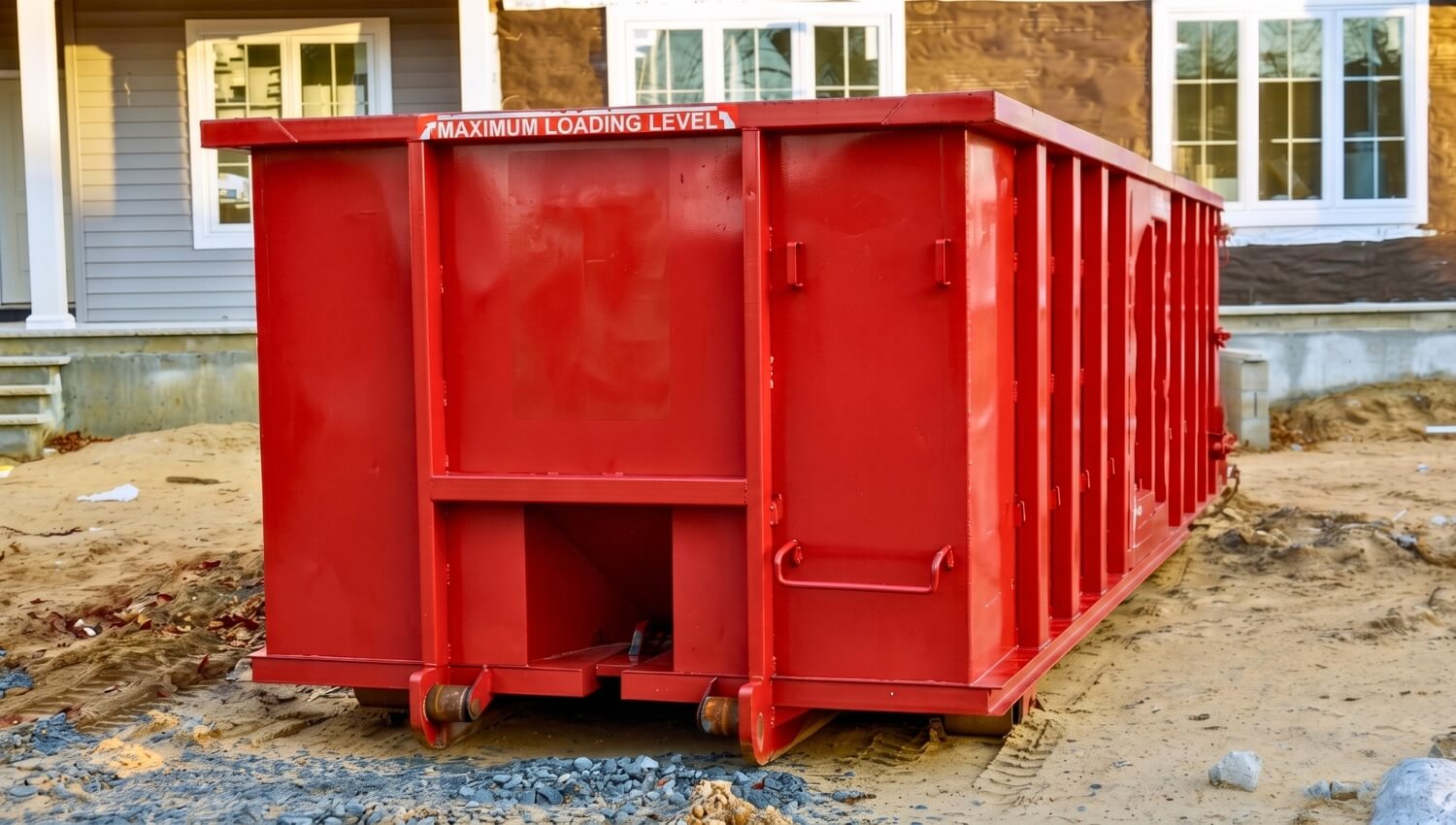
Other options are available for more specific needs. A compactor compresses waste for a high-volume generator that would otherwise need constant pickups, and a roll-off in the 10-to-40 yard range covers a one-off project like a renovation or a seasonal cleanout. Separate recycling containers for single-stream or cardboard help keep unwanted volume out of the trash bin.
Matching the Schedule to the Volume
Frequency is the other half of the setup, ranging from daily to monthly. UWS schedules pickups to match the operation: daily for a high-volume restaurant, weekly for a retail store, bi-weekly for an office, or monthly for a low-generation business. The goal is to supply a container that fills up by pickup day without spilling out or having much leftover space.
Volume and waste type are significant factors. A restaurant with heavy food and packaging waste fills a bin fast and needs frequent service, while an office producing mostly paper and light waste can wait longer between pickups. A business that recycles cardboard and paper separately slows how fast its trash bin fills, which can lower the trash frequency it needs.
The schedule is worth revisiting as the business changes. A container overflowing before pickup signals the need for a larger bin or an added pickup, while one that is half full on collection day may need a smaller size or a longer interval. Matching the waste to its volume is how you pay for what you get.
Right-Sizing Size and Frequency Together
Container size and pickup frequency work as a pair, and the same amount of waste can be handled two ways. A smaller bin emptied more often and a larger bin emptied less often both clear the same volume, so the better choice comes down to space, budget, and how the enclosure is laid out. A tight downtown enclosure may favor a smaller bin on a frequent schedule.
Mismatching shows up on the bill or in the parking lot. Too little capacity for the schedule means overflow and emergency pickups, while too much means paying for space and hauls the business does not need. A short review of actual volume, ideally across both a normal week and a busy one, sets both numbers right before service starts.
Recycling works in the business’s favor. Pulling cardboard, paper, and other recyclables into their own containers cuts what ends up in the trash bin, which can let a business drop to a smaller size, a lower frequency, or both. For a Phoenix operation that’s financially responsible, those savings are something worth looking into.
Why UWS for Commercial Trash Service in Phoenix
Universal Waste Systems is a family-owned recycling and waste company founded in 1986, with three generations of the Blackburn family running operations across the Southwest. For a Phoenix business, that means one provider handling the container, the schedule, the recycling, and the billing, with local crews behind the pickups.
The setup starts with matching the container size and the pickup frequency to the operation, and it adjusts as the business grows or its volume shifts. Request a quote online to set up commercial trash service built around what your business actually produces.
Frequently Asked Questions
What size commercial trash container does my business need?
Commercial front-load containers run from 2 to 8 cubic yards, and the right size depends on how much waste the business generates between pickups. A small office or shop often fits a 2 or 3 yard bin, a mid-size retailer a 4 yard, and a restaurant or grocery a 6 or 8 yard. A high-volume generator may be better served by a compactor.
How often will my commercial trash be picked up?
Pickup frequency ranges from daily to monthly and is matched to the business’s volume. A high-volume restaurant may need daily service, a retail store weekly, an office bi-weekly, and a low-generation business monthly. The schedule can be adjusted as the business’s waste output changes.
Does the City of Phoenix pick up commercial trash?
No. The City of Phoenix provides trash and recycling collection to single-family residential households only. Businesses, apartment complexes, and multi-family properties arrange their own service through a private hauler, set up directly with the provider rather than the city.
What should I do if my dumpster keeps overflowing?
An overflowing container usually means the size or the pickup frequency no longer matches the volume. The fix is either a larger bin or an added pickup, and a hauler can adjust either. Separating recyclables like cardboard into their own container also frees space in the trash bin.
Can recycling lower my commercial waste costs?
Yes. Moving cardboard, paper, and other recyclables into separate containers reduces what goes into the trash bin, which can let a business use a smaller container or a less frequent pickup. It also supports diversion goals and any environmental reporting the business tracks. A single-stream recycling container keeps the sorting simple.