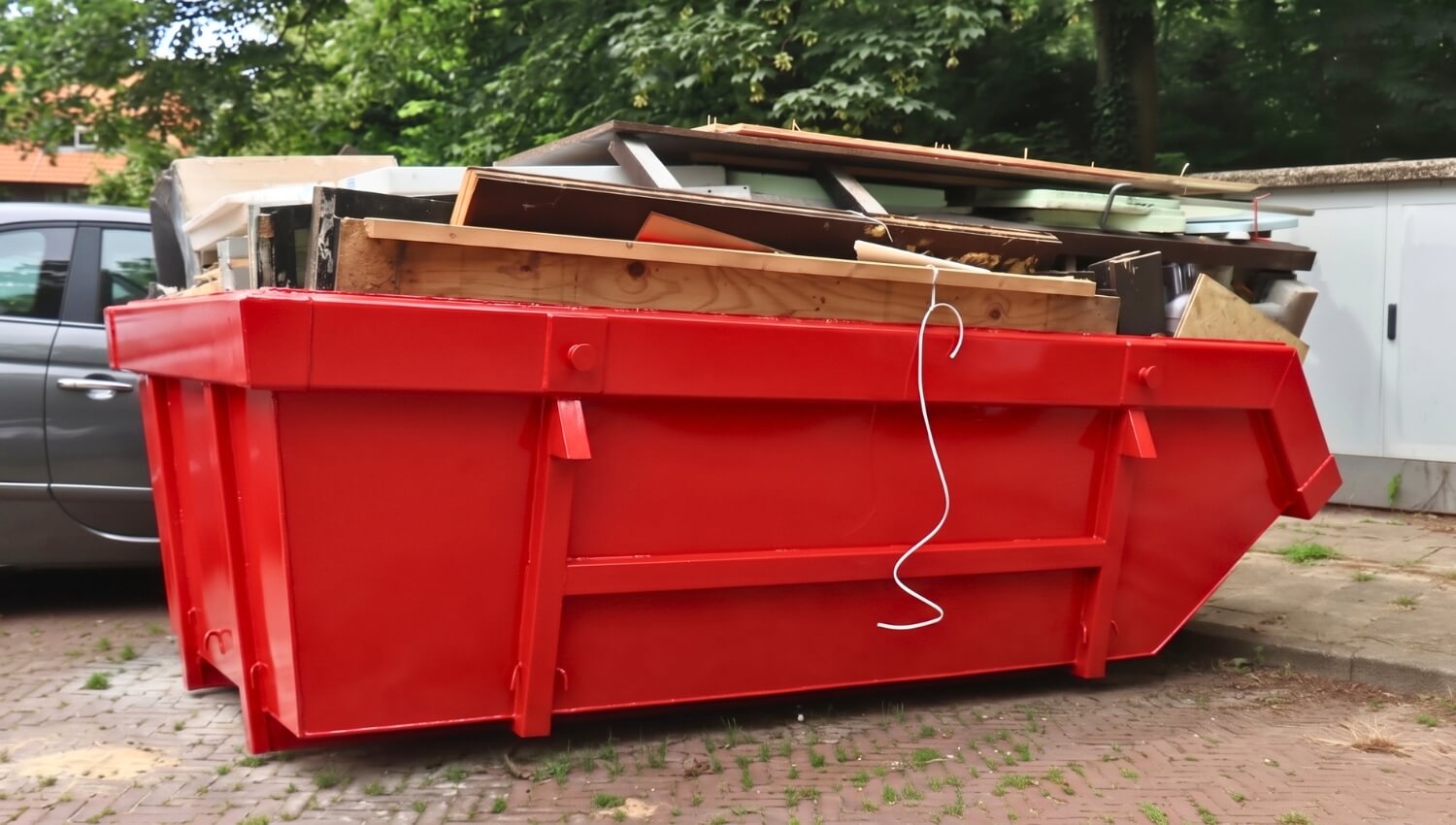
Dumpster rental in Cottonwood turns a renovation or a cleanout into one container instead of a string of trips to the transfer station. A kitchen stripped down and rebuilt, an Old Town cottage cleared of decades of belongings, or a yard reworked along the Verde River fills a roll-off with waste that a curbside bin was never meant to hold. Getting the size right is the difference between one clean haul and a second box halfway through.
Universal Waste Systems delivers roll-off dumpster rentals across Cottonwood and the wider Verde Valley. Request a quote online to size the container and set a delivery date.
Why a Roll-Off Beats the Curbside Route in Cottonwood
Cottonwood residents arrange household trash through private subscription haulers, which is meant to take in weekly household waste. A renovation or a full cleanout produces debris well past what a curbside bin will take, from demolition material to old furniture by the truckload. The weekly route has no place for it.
The drop-off alternative is the city-operated Cottonwood Transfer Station on West Mingus Avenue, backed by the Yavapai County disposal system for anything larger. Hauling a project there yourself means loading a truck, paying at the gate, and repeating the trip until the pile is gone. A roll-off parked at the house collects it all and clears in one haul.
The container takes all sorts of standard project debris: lumber, drywall, flooring, cabinetry, tile, roofing, and old furniture. You name it, the crew takes it, and hauls the full load to a licensed site in one trip.
Matching the Container to the Project
UWS roll-off containers come in 2-to-8 yard, 10 yard, 30 yard, and 40 yard sizes. The right one tracks how much the project generates and how heavy the debris runs.
The 2-to-8 yard containers suit the smaller jobs, a bathroom remodel, a single-room clearout, or an Old Town cottage emptied ahead of a sale. Set to one side of a driveway, it leaves the approach open.
The 10 yard container is built for weight. Verde Valley river rock, soil, and broken concrete from a yard or hardscape job reach the weight limit long before they fill the box, so a compact size holds them without an overage.
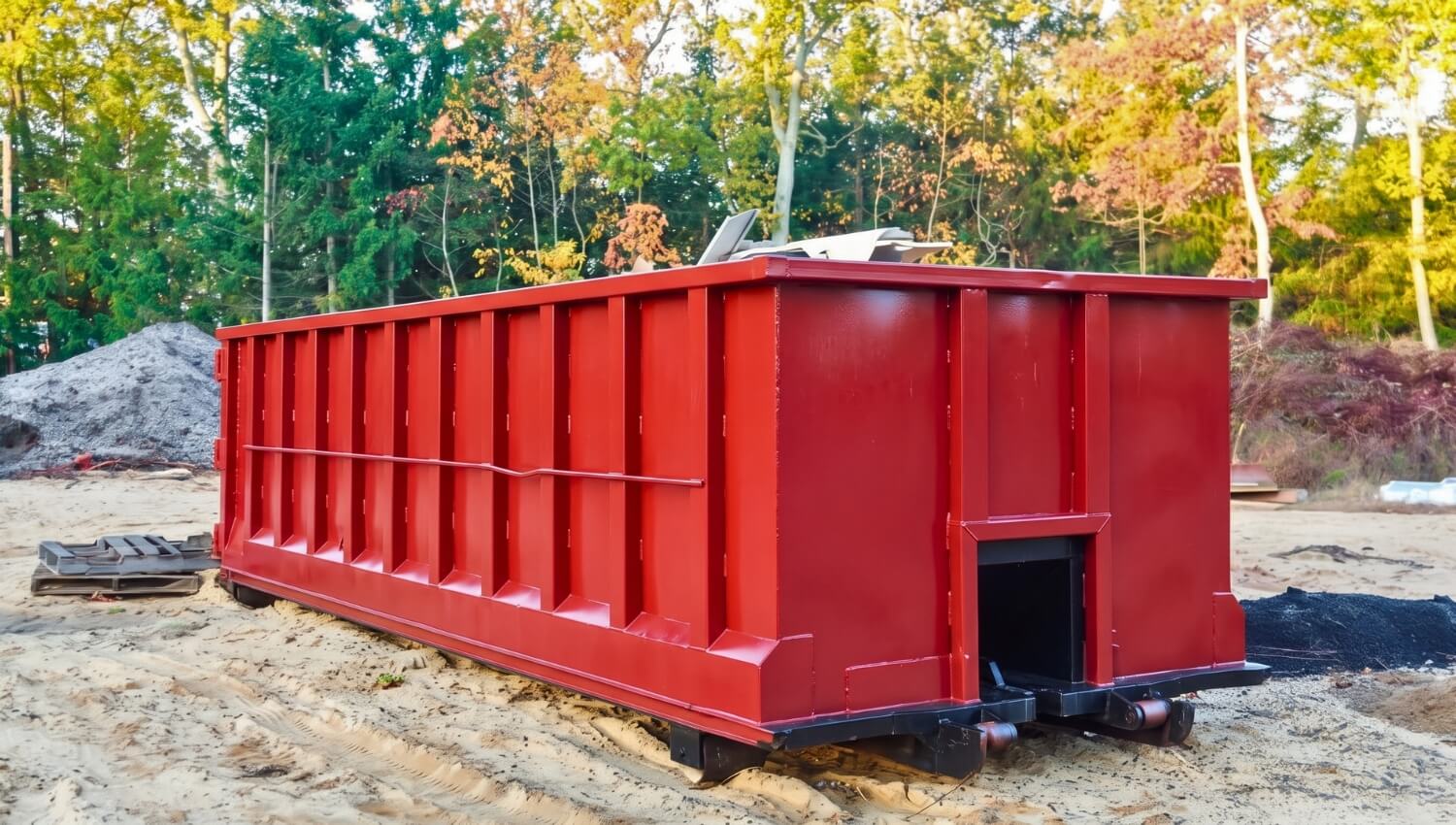
The 30 yard container handles a whole-home renovation or a tasting-room build-out. Framing, drywall, flooring, and the mixed debris of an active job fill it over the weeks the work runs, with room left for what turns up midway.
The 40 yard container is for the largest work, new construction, a major addition, or a full-property clearing. A build on that scale generally keeps one on-site from start to finish.
Choosing the Right Size for the Job
Picking a size comes down to two questions: how much the job produces and how heavy it weighs. Volume sets the floor, since a full-house renovation will obviously need far more room than a single bath. Weight is the less obvious factor of the two. Dense material like soil, rock, or concrete can hit a container’s weight limit while the box still looks half empty.
Those details bring about two of the most common mistakes when ordering a container. Sizing too large means paying for air in space that doesn’t even get filled, while sizing too small means an overage charge or a second haul once the box tops out. Heavy debris in a large box is the costliest version of the second mistake, since you’ll be exceeding the weight limit and paying for wasted space.
When a job falls between sizes, the load’s makeup decides. A cleanout heavy on furniture and light material sizes up toward volume, while a demolition or landscaping job heavy on concrete and soil sizes down toward a smaller, weight-matched box. Describing the debris transparently and accurately at the quote stage is the surest way to land on the right one the first time.
Placement and Permits
A container on your own driveway or private lot needs no permit, which covers most Cottonwood deliveries. A roll-off placed in a public street or right-of-way calls for approval from the city, worth confirming early in Old Town, where historic blocks and narrow frontages leave little room to stage a box off-street. Sorting placement at the quote stage keeps the drop on schedule.
The valley floor makes most deliveries straightforward. Level lots and open driveways across Cottonwood give a truck room to work, and the driver needs roughly 60 feet of straight clearance and about 23 feet of vertical clearance to set and lift a loaded box. It’s best to clarify something like a tight Old Town lot or a low carport before the truck rolls.
What Shapes the Cost of a Rental
Size and weight set the base price, and the two work against each other on a heavy load. A larger container costs more to start, but a smaller one packed with dense material can run past its weight limit into a surcharge, so the right call balances the room the job needs against the weight it carries.
Distance adds to the haul. Debris loaded in Cottonwood travels to a regional Yavapai County site, and a home up a hillside or out toward Cornville or Clarkdale adds route time the quote accounts for.
Duration rounds out the estimate. A weekend cleanout and a months-long renovation hold the container for very different spans, and a longer window raises the rate, so naming the timeline upfront keeps the quote accurate.
Why UWS for Dumpster Rental in Cottonwood
Universal Waste Systems is a family-owned recycling and waste company founded in 1986, with three generations of the Blackburn family running operations across the Southwest. Part of getting a rental right is to help sizing it, so the container matches the job instead of the job working around the container.
UWS carries the full size range and the routing to reach Cottonwood’s Old Town blocks and valley-floor neighborhoods, from a single-room clearout to a ground-up build. The company schedules same-day or next-day delivery in many cases. Request a quote online to lock in your Cottonwood container and delivery date.
Frequently Asked Questions
Do I need a permit for a dumpster rental in Cottonwood?
No permit is required when the container sits on your own driveway or private lot, which covers most Cottonwood rentals. A roll-off placed in a public street or right-of-way does need approval from the city, which comes up most often on the tight historic blocks of Old Town. Confirm street placement before delivery to keep the drop on schedule.
What size dumpster do I need for a home renovation?
A 30 yard container suits most whole-home renovations and multi-room remodels. It holds the framing, drywall, flooring, and cabinetry a larger project generates without a mid-job swap. For a single bathroom or an Old Town cottage clearout, a 2-to-8 yard box is usually enough.
What size dumpster do I need for river rock, soil, or concrete?
A 10 yard container is the right size for river rock, soil, concrete, and other dense material. These loads reach the weight limit well before they fill the space, so a smaller box matched to the weight costs less than a larger one. Keeping heavy debris in its own container also avoids an over-limit surcharge.
What can’t go in the dumpster?
Paint, motor oil, tires, batteries, and electronics stay out of a roll-off and route to their own disposal channels through the county’s solid-waste system. Standard renovation and cleanout debris like lumber, drywall, flooring, tile, and furniture all load fine. Setting the restricted items aside before pickup keeps the load compliant.
Do you deliver dumpsters outside Cottonwood?
Yes, UWS delivers across Cottonwood and the wider Verde Valley, including Clarkdale, Cornville, Camp Verde, and the surrounding area. A property up a hillside or down a long drive may factor delivery distance into the quote, so sharing the exact location upfront gives an accurate estimate. Confirming the approach also lets the crew plan for a narrow or steep road.