Silver City sits at 5,900 feet elevation in southwestern New Mexico’s Grant County, housing approximately 9,400 residents. This historic mining town established in 1870 features Victorian-era homes, mid-century residential development, and Western New Mexico University’s 3,000-student campus creating diverse waste management needs from historic home renovations to student rental turnovers to commercial construction projects.
The community’s character shapes dumpster rental requirements differently than larger New Mexico cities. Properties often spread across larger lots with outbuildings and workshops. Mountain terrain affects access. Distance from major waste facilities impacts service availability. Understanding these local realities helps residents and contractors secure appropriate containers without complications.
Universal Waste Systems provides Silver City dumpster rental services addressing the area’s specific needs with container sizes suitable for projects ranging from single-room renovations to complete estate cleanouts. We understand Grant County’s conditions and deliver reliable service throughout the region.
Understanding Silver City’s Dumpster Rental Landscape
New Mexico’s rural mountain communities face different waste management realities than Albuquerque or Las Cruces. Silver City’s location means fewer local providers willing to serve the area consistently. Providers based in larger cities face 2+ hour drives each direction making service economically challenging, often resulting in delayed response times or premium pricing covering extensive travel costs.
Container sizing becomes particularly important when limited local options mean you can’t easily swap sizes mid-project. Choosing appropriate capacity initially prevents paying for unused space or facing overflow situations requiring additional rentals. Silver City’s mix of property types—compact downtown lots, sprawling ranch properties, mountain terrain locations—creates varied placement considerations affecting which containers work where.
Choosing the Right Container Size
10-Yard Containers for Focused Projects
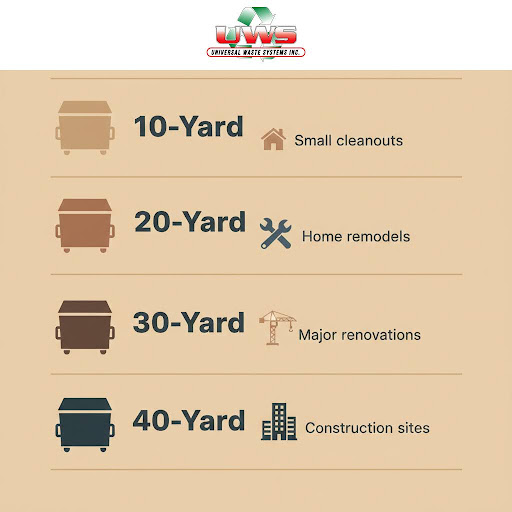
Single-room renovations fit 10-yard capacity comfortably. Updating one bathroom generates 6-9 cubic yards removing old fixtures, tile, vanity, and flooring. Small garage cleanouts clearing workshop equipment or stored possessions work within this size when projects involve one defined space rather than whole-property clearing.
Student rental turnovers near Western New Mexico University typically need 10-yard capacity. May and August see concentrated demand as academic year transitions create simultaneous turnovers. Even conscientious students abandon furniture, household items, and cleaning waste landlords must remove between leases.
20-Yard Containers Handle Typical Renovations
Kitchen remodels generate 12-18 cubic yards removing cabinets, countertops, appliances, and flooring. Historic home kitchens often contain decades-old installations requiring complete replacement as owners modernize aging infrastructure. Combined kitchen and bathroom updates fit 20-yard capacity when projects tackle multiple rooms simultaneously.
Moderate whole-house cleanouts clearing garage, closets, and selected rooms use 20-yard containers appropriately. Properties accumulated over 10-20 years typically produce volumes this size accommodates when families separate donation items from actual waste requiring disposal.
30-Yard Containers for Major Projects
Complete home renovations updating multiple rooms simultaneously require 30-yard capacity. Historic property renovations removing horsehair plaster, original wood windows, and outdated systems produce surprising volumes contractors familiar with modern construction sometimes underestimate.
Large estate cleanouts clearing every room, garage, and outbuildings fit 30-yard containers when handled comprehensively. Properties include detached garages, workshops, or storage buildings each containing tools, equipment, and materials requiring disposal beyond main house contents.
40-Yard Containers Serve Exceptional Situations
Complete property clearing preparing inherited homes for sale uses maximum capacity. Some estate situations involve properties neglected for years requiring comprehensive clearing including house contents, yard waste, outbuilding accumulation, and general debris from deferred maintenance.
Commercial construction projects at Western New Mexico University or downtown business district developments need 40-yard containers. New construction, major renovations, or demolition work produces continuous high-volume waste requiring maximum on-site capacity preventing work stoppages.
Navigating Silver City’s Property Access Challenges
Mountain Terrain Affects Placement
Elevation and topography create placement considerations uncommon in flat urban areas. Properties on hillsides or mountain slopes require evaluating driveway grades, turnaround space, and truck positioning on uneven terrain. Steep driveways sometimes necessitate street placement when slopes exceed safe delivery angles for loaded trucks.
Rocky ground conditions impact container stability. Unlike paved driveways or compacted gravel, some properties sit on natural terrain requiring boards or blocking preventing containers sinking into soft ground or tilting on uneven surfaces. Discussing ground conditions during scheduling helps identify potential complications.
Historic District Considerations
Downtown properties in Silver City’s historic district face unique constraints. Victorian-era homes often sit on compact urban lots with limited street frontage. Narrow driveways designed for horse-drawn carriages don’t always accommodate modern trucks.
Some historic properties feature low-hanging tree branches, ornamental fencing, or architectural elements restricting truck access. Coordinating with neighbors becomes important on compact lots where container placement affects adjacent properties.
Rural Property Realities
Ranch properties and rural homes outside town limits spread across larger acreage with varying access quality. Some feature maintained gravel drives while others use dirt tracks requiring high-clearance vehicles. Seasonal weather affects accessibility—spring mud, summer dust, winter ice, monsoon flooding all impact delivery feasibility.
Gates, cattle guards, and property entrances designed for personal vehicles sometimes prove tight for commercial trucks. Measuring gate widths and checking overhead clearance prevents delivery day discoveries that trucks can’t reach intended placement locations.
Timing Rentals Around Silver City’s Seasonal Patterns
Weather Windows Affect Project Scheduling
Mountain climate creates distinct seasonal considerations for outdoor projects. Summer monsoons bring afternoon thunderstorms July through September. Outdoor renovations, landscape work, or exterior demolition projects work better scheduled before monsoon season arrives or after it passes.
Winter occasional snow and freezing temperatures limit some project types. However, interior renovations continue year-round making winter ideal for kitchen, bathroom, or whole-house updates when outdoor work proves impractical.
University Calendar Creates Demand Cycles
Western New Mexico University’s academic calendar drives predictable rental patterns. May sees concentrated demand as students vacate rentals creating simultaneous turnover across properties near campus. August brings similar demand spikes as the new academic year begins.
Booking ahead during these peak periods ensures container availability rather than discovering everything reserved when needed.
Making Rentals Hassle-Free
Communicate Property Specifics Upfront
Detailed property information during scheduling prevents complications. Describing driveway conditions, gate widths, overhead clearances, and terrain characteristics helps identify potential access issues before trucks arrive. Mentioning historic district location, rural property distance, or mountain terrain conditions allows planning appropriate delivery approaches.
Discussing project scope helps confirm appropriate container sizing. Explaining what you’re removing—bathroom fixtures and tile versus entire house contents—lets providers recommend suitable capacity based on actual volumes rather than guesses.
Prepare Placement Areas
Clear intended container locations before delivery arrives. Moving vehicles, equipment, or stored items from driveways creates unobstructed placement space. Trimming overhanging branches or temporarily removing fencing prevents complications during delivery and pickup.
Mark underground utilities if containers sit on lawns or unpaved areas. Sprinkler systems, buried electrical lines, or septic systems require protection from heavy equipment.
Load Containers Efficiently
Break down bulky items maximizing space utilization. Disassembled furniture, flattened boxes, and compacted debris fit more efficiently than intact items loaded haphazardly. Distribute weight evenly throughout containers rather than concentrating heavy materials in one area.
Avoid prohibited materials keeping containers compliant. Hazardous waste, tires, electronics, and appliances containing refrigerants need separate disposal. When uncertain whether materials qualify, ask beforehand rather than discovering problems during pickup.
Understand Cost Components
Rental pricing typically includes delivery, specified rental period, disposal fees, and pickup. Weight limits, rental duration, and included tonnage affect final pricing based on actual project characteristics.
Overage fees apply when containers exceed weight limits. Heavy materials like concrete, dirt, or roofing shingles add significant weight. Extended rental periods beyond base terms incur daily fees.
Silver City-Specific Service Considerations
Rural New Mexico communities face different service availability than metropolitan areas. Fewer providers serve Grant County consistently meaning less competition and potentially limited container availability during busy periods.
Distance from major disposal facilities affects service economics. Providers absorb significant fuel costs and travel time serving Silver City from distant bases. Honest pricing reflects these realities without hidden fees while maintaining fair rates for actual services provided.
Reliable providers familiar with Silver City’s conditions understand local challenges without extensive explanations for each rental. They know mountain access limitations, historic district constraints, and seasonal weather patterns affecting project feasibility.
Universal Waste Systems provides Silver City dumpster rental services addressing Grant County’s unique conditions with container sizes suitable for projects from single-room renovations to complete estate cleanouts. We understand mountain terrain, historic property considerations, and rural access realities delivering reliable service throughout the region.
Contact us for containers appropriately sized with timing matching your project whether renovating Victorian homes, clearing rental properties, or managing commercial construction.
Frequently Asked Questions
What size container works for typical home renovations?
Most single-room renovations use 10-yard containers while multi-room projects need 20-30 yard capacity depending on scope. Kitchen and bathroom combinations fit 20 yards comfortably. Complete interior updates require 30-yard containers as debris accumulates from multiple spaces simultaneously.
How does mountain terrain affect delivery?
Steep driveways, narrow roads, and uneven ground require evaluating access before delivery. Some hillside properties need street placement when slopes exceed safe delivery angles. We discuss terrain conditions during scheduling identifying potential complications before trucks arrive.
Can you serve rural properties outside Silver City?
Yes. We serve Grant County communities and rural properties surrounding Silver City. Distance affects pricing honestly reflecting actual travel costs. Access quality and property location get discussed upfront establishing realistic service parameters.
What happens during monsoon season?
Summer afternoon storms can disrupt outdoor projects July through September. We coordinate delivery and pickup timing around the weather when possible. Some customers prefer scheduling major outdoor work before monsoon season begins or after it passes avoiding daily rain interruptions.
How far ahead should rentals be scheduled?
Booking several days to a week ahead ensures container availability, especially during peak periods like May and August student rental turnovers. Last-minute rentals sometimes work depending on current schedules, but advance planning prevents discovering all containers reserved when needed.