Phoenix sprawls across 517 square miles with 1.65 million residents as of 2025, making it America’s fifth-largest city. The metro area’s continuous growth feeds relentless construction activity—new housing developments pushing into desert edges, commercial corridors undergoing redevelopment, and industrial facilities expanding throughout the Valley. This construction volume creates constant demand for roll-off dumpsters.
Universal Waste Systems delivers roll-off dumpsters throughout Phoenix’s diverse neighborhoods and commercial districts. We maintain comprehensive inventory across all standard sizes with delivery capability reaching from Ahwatukee to Anthem, Desert Ridge to Laveen. Whether you’re renovating a historic Encanto bungalow or handling commercial demolition downtown, we provide containers matching your waste volumes and requirements.
Phoenix’s Unique Waste Management Landscape
Phoenix’s geography and climate create distinct considerations affecting dumpster rental decisions. Summer temperatures exceeding 115°F accelerate decomposition of organic materials and make working around waste containers physically challenging. Desert dust infiltrates everything, including waste containers, affecting cleanup and disposal processes.
The city’s neighborhood diversity means projects vary dramatically. Historic districts like Willo and Encanto feature homes built in the 1920s-1940s requiring careful renovation preserving architectural character while updating outdated systems. These renovations generate different waste streams than new construction in master-planned communities like Verrado or Eastmark.
Phoenix’s sprawling layout affects logistics considerably. A dumpster delivery to north Phoenix from a central yard involves significantly different drive times than south Phoenix or Ahwatukee deliveries. We maintain strategic positioning throughout the Valley minimizing delivery delays and improving response times across Phoenix’s expansive service area.
When Phoenix Projects Need Dumpsters
Historic Home Renovations
Phoenix’s historic neighborhoods see continuous renovation activity as new buyers modernize vintage properties. These homes often contain materials requiring special handling—original wood windows, plaster walls, terra cotta roofing, and decades of accumulated modifications. A kitchen renovation in a 1930s bungalow generates different debris than updating a 1990s subdivision home.
Historic renovations frequently uncover unexpected complications extending project timelines—knob-and-tube wiring requiring complete replacement, plumbing systems deteriorated beyond repair, or structural issues hidden behind previous amateur modifications. Flexible dumpster rental periods accommodating timeline extensions matter considerably more than initial daily rates when projects inevitably take longer than contractors originally estimated.
Desert Landscaping Transformations
Phoenix homeowners increasingly remove water-intensive landscaping, installing desert-appropriate xeriscaping reducing water consumption. These projects generate substantial waste—removed grass, soil, irrigation systems, decorative rock, dead plant material, and old landscape fabric. A typical residential landscape conversion fills 10-20 yards depending on property size and existing conditions.
Mature tree removal produces bulky waste volumes that don’t compact efficiently. A large eucalyptus or mulberry tree removal can fill half a 20-yard container with branches and trunk sections alone. Properties removing multiple mature trees need dedicated container capacity or sequential container deliveries as removal progresses.
Commercial Property Redevelopment
Phoenix’s older commercial corridors along major arterials like Camelback Road, Thomas Road, and Indian School Road undergo continuous redevelopment. Dated strip malls convert to mixed-use developments, aging office buildings receive complete interior renovations, and obsolete retail spaces transform into modern commercial concepts.
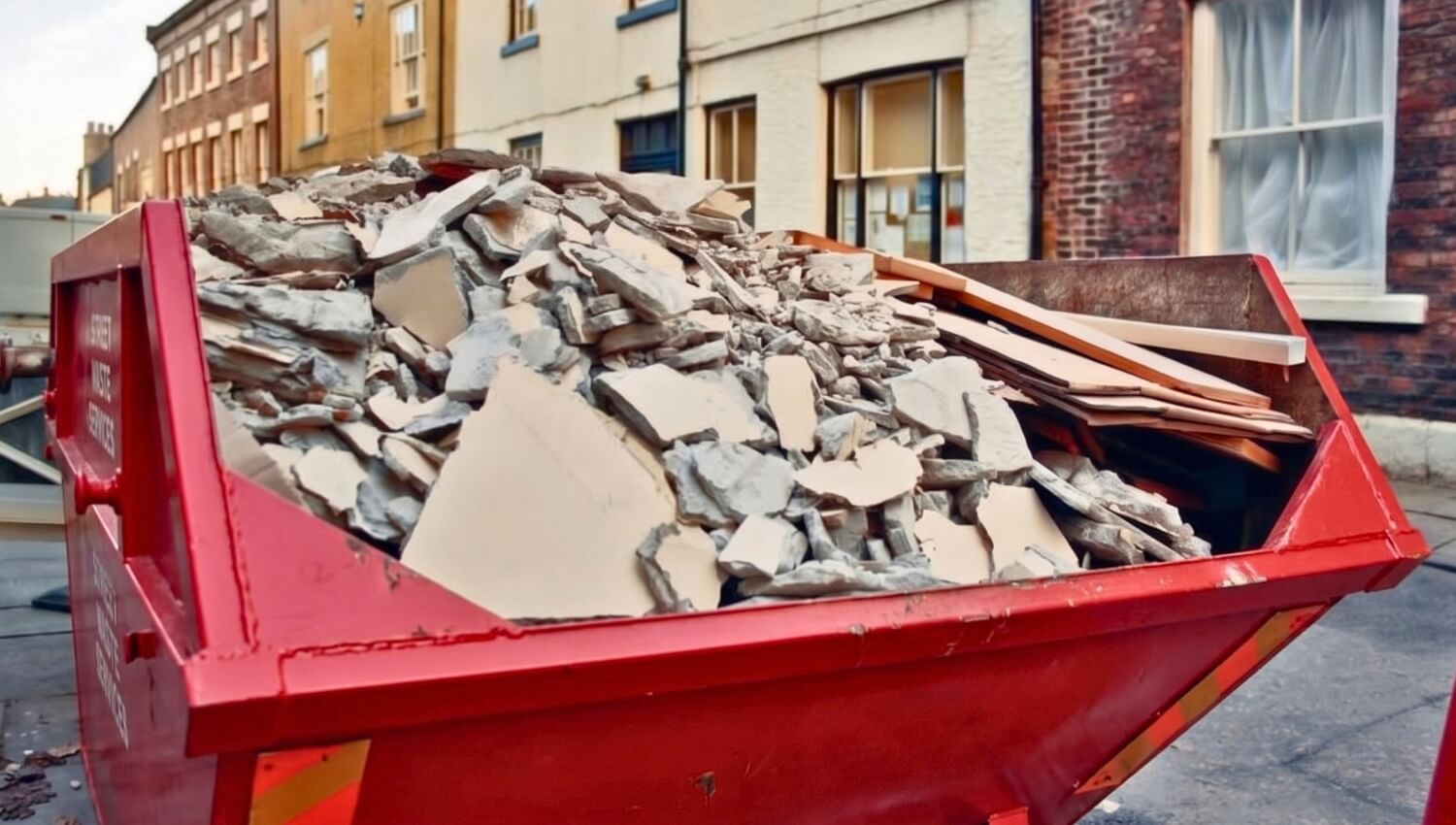
These projects generate concentrated waste volumes over compressed timelines. A 15,000 square foot retail space gutted to bare walls produces 40-60 yards of debris within days. Contractors need containers delivered immediately and exchanged promptly as demolition progresses, not vague delivery windows forcing work stoppages waiting on waste removal.
Pool Demolitions and Reconstructions
Phoenix’s climate means most homes include pools—many now 30-40 years old requiring complete reconstruction or removal. Pool demolitions generate enormous concrete volumes. A typical residential pool demolition fills 40 yards or requires multiple container loads as jackhammered concrete accumulates. These projects need careful planning coordinating demolition pace with container availability preventing debris piles from overwhelming properties.
Pool area renovations updating decking, removing old equipment, and replacing deteriorated coping and tile generate mixed waste streams requiring general construction containers rather than concrete-specific disposal. Most pool renovation projects without structural demolition fit 20-30 yard capacity.
Navigating Phoenix’s Size Requirements
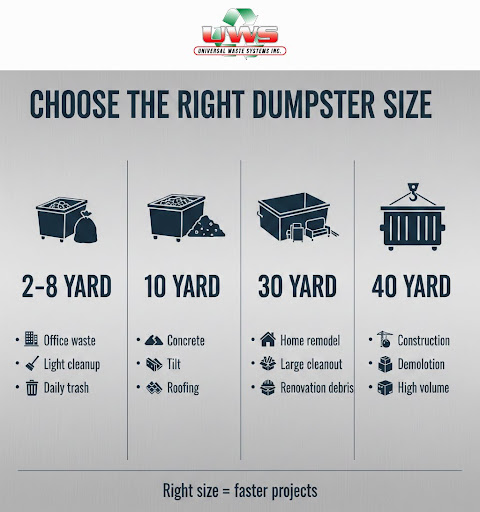
Container selection depends less on abstract cubic yard measurements than understanding what actually fits based on project type. Here’s practical guidance translating common Phoenix projects into appropriate sizes:
Single-room renovations—One bathroom, bedroom, or small office space fits 10-yard capacity comfortably. This size handles demolition debris, old fixtures, and installation waste without paying for excessive unused capacity.
Kitchen and bathroom combinations—Renovating a kitchen plus one or two bathrooms simultaneously requires 20-yard containers. Cabinets, countertops, appliances, tubs, toilets, tile, and associated materials accumulate quickly beyond what 10-yard containers accommodate.
Whole-house interior renovations—Complete interior updates touching every room need 30-40 yard capacity. These projects generate continuous waste streams over weeks or months where dedicated on-site capacity proves more efficient than multiple smaller containers requiring frequent exchanges.
Roofing projects—Phoenix’s tile roofs generate substantially more volume and weight than asphalt shingles. A 2,000 square foot tile roof requires 30-40 yard capacity accounting for material density. Asphalt shingle roofs of similar size fit 20-30 yards depending on whether tear-off includes multiple old layers.
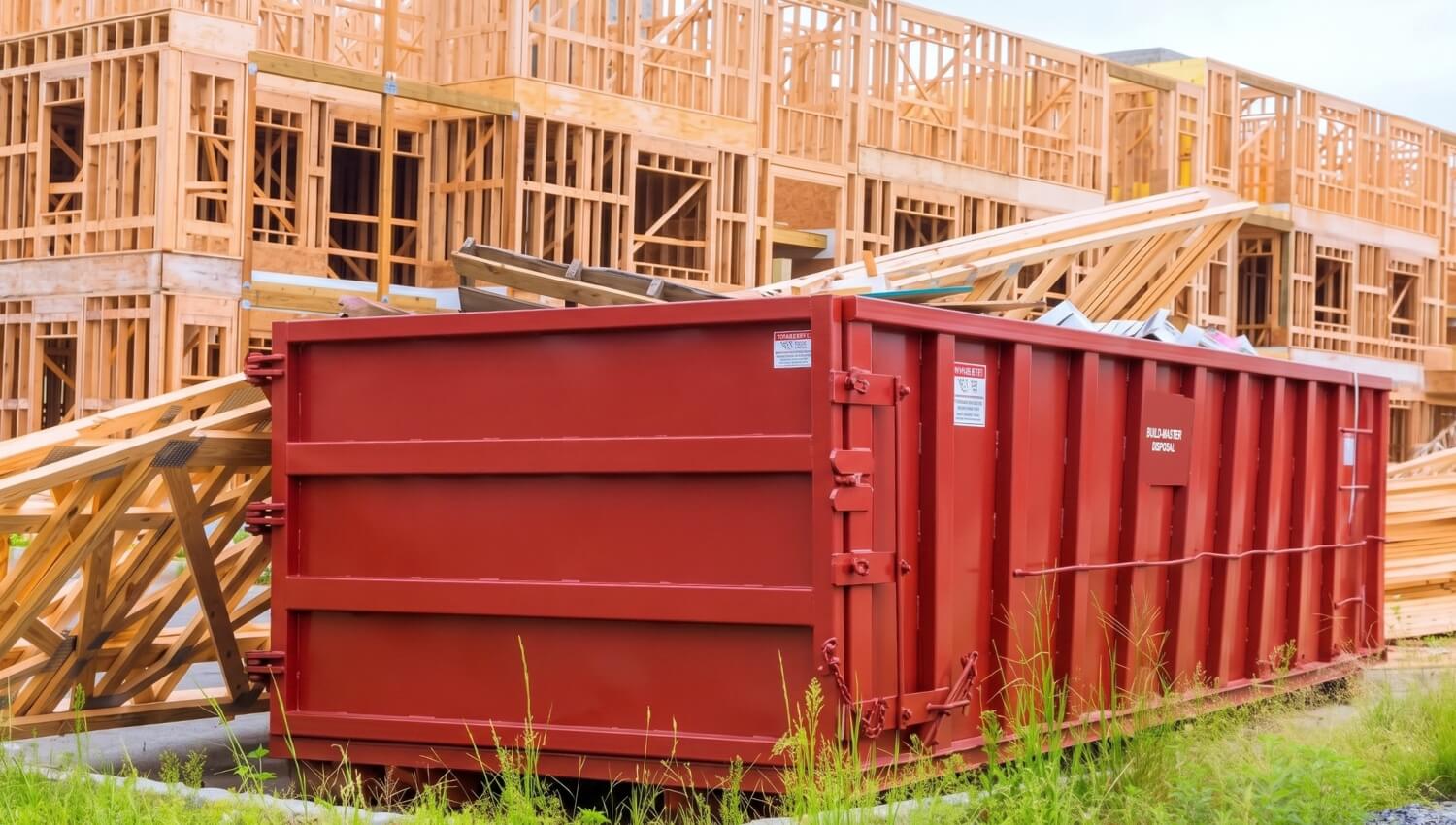
New construction—Residential builds use 30-yard containers exchanged weekly or bi-weekly throughout construction. Commercial construction requires 40-yard capacity with more frequent exchanges during intensive phases when multiple trades work simultaneously.
Estate cleanouts—Clearing deceased relatives’ long-occupied homes typically needs 20-30 yards. Phoenix’s retiree population means estate situations arise frequently, often involving properties accumulated over decades requiring substantial disposal capacity.
The Summer Heat Factor
Phoenix summers create conditions affecting waste management decisions. Temperatures consistently exceeding 110°F from June through August make working around dumpsters physically punishing. Construction crews adjust schedules working early mornings and late afternoons, avoiding midday heat whenever possible.
Organic waste decomposes rapidly in extreme heat, creating odor problems within days. Landscaping projects or cleanouts involving any organic materials need prompt completion and container removal. What remains tolerable for two weeks in February becomes unbearable after four days in July.
Container placement requires more careful consideration during summer. Units positioned in full sun exposure become almost untouchable by midday—metal surfaces reach temperatures causing burns on contact. Shaded placement when possible improves usability, though Phoenix’s intense sun makes finding adequate shade challenging.
Summer also brings monsoon season, bringing powerful dust storms and occasional heavy downpours. Uncovered containers collect dust, debris blown from neighboring properties, and rainwater. While containers drain, accumulated water adds weight potentially exceeding tonnage limits. Projects spanning the monsoon season should account for weather impacts on waste management.
Why Phoenix’s Size Demands Strategic Coverage
Phoenix’s 517 square miles create logistical challenges providers handle differently. Companies operating from single central locations face lengthy drive times reaching opposite sides of the Valley. A provider based in Tempe delivering to north Phoenix or Surprise burns significant time and fuel reaching customers, costs ultimately reflected in pricing or service quality compromises.
We maintain strategic coverage throughout the Phoenix metro area reducing response times and improving delivery reliability across the Valley. North Phoenix deliveries don’t require cross-Valley drives from south Phoenix yards. This geographic distribution translates directly into faster delivery times and more responsive service when project conditions change requiring immediate attention.
Phoenix’s traffic patterns affect delivery timing substantially. Morning and evening rush hours on major corridors like I-10, Loop 101, and US-60 create delays impacting delivery schedules. We route deliveries accounting for traffic patterns, typically scheduling residential deliveries mid-morning through mid-afternoon when traffic flows more freely.
Pricing Variables Across Phoenix Projects
Dumpster rental costs reflect multiple variables beyond simple container size. Distance from disposal facilities affects costs—north Phoenix projects potentially incur different disposal fees than central Phoenix locations based on hauling distances to permitted landfills. These costs appear in overall pricing, though specific disposal fee structures vary.
Rental duration impacts total costs. Standard rental periods typically include 7-14 days depending on container size and provider policies. Extensions beyond included periods incur daily rates. Long-term construction projects may negotiate monthly rental arrangements providing better value than accumulating daily extension charges.
Weight limits vary by container size with overage charges applying when disposed tonnage exceeds included amounts. Heavy materials like concrete, dirt, or tile reach weight limits well before filling containers volumetrically. Discussing expected materials during scheduling helps establish appropriate weight expectations and potential overage costs.
Delivery logistics affect pricing when access challenges require special equipment or additional labor. Narrow gates, steep driveways, soft surfaces, or overhead obstructions complicating standard delivery may incur additional charges. Identifying potential access issues during scheduling allows accurate pricing and prevents surprise fees at delivery.
Coordinating Dumpsters with Phoenix Building Permits
Major renovation projects and new construction require building permits from Phoenix’s Planning and Development Department. Permit applications often include waste management plans specifying disposal methods and container quantities. Understanding permit requirements before starting work prevents mid-project complications requiring additional containers or modified waste handling.
Demolition projects particularly face regulatory scrutiny. Phoenix requires demolition permits for structures over 200 square feet. These permits include provisions for dust control, utility disconnection, and proper waste disposal. Having appropriate dumpster capacity in place before demolition begins demonstrates compliance with permit conditions.
Commercial projects in historic districts or areas with specific design overlays may face additional restrictions affecting dumpster placement and visibility. These requirements vary by location and project scope. Contractors working in regulated areas should verify specific waste management requirements during permit application processes.
Universal Waste Systems provides roll-off dumpster rentals throughout Phoenix with comprehensive size availability and delivery coverage reaching every Valley neighborhood. Contact us for containers matched appropriately to your project scope with pricing reflecting actual costs without hidden fees appearing after project completion.
Frequently Asked Questions
Do you deliver to all Phoenix neighborhoods?
Yes, we provide delivery throughout Phoenix proper and surrounding communities including Ahwatukee, Laveen, Desert Ridge, and north Phoenix areas. Coverage extends throughout the Valley with consistent service regardless of location.
How do weight limits work?
Each container size includes specified tonnage limits. Disposal exceeding included weight incurs overage charges per ton. We discuss expected materials and potential weight considerations during scheduling to establish realistic expectations.
Can containers sit on residential streets?
Street placement typically requires permits from Phoenix’s Street Transportation Department. Requirements vary by location and duration. We can advise on permit needs, though obtaining required permits remains customer responsibility.
What’s the rental period?
Standard rental periods range from 7-14 days depending on container size. Extensions beyond included periods incur reasonable daily rates. Long-term projects may negotiate monthly arrangements providing better value.
Do you handle permit applications?
We provide guidance on permit requirements and timing, but permit applications remain property owner or contractor responsibility. We can coordinate delivery timing around permit approval schedules when needed.